
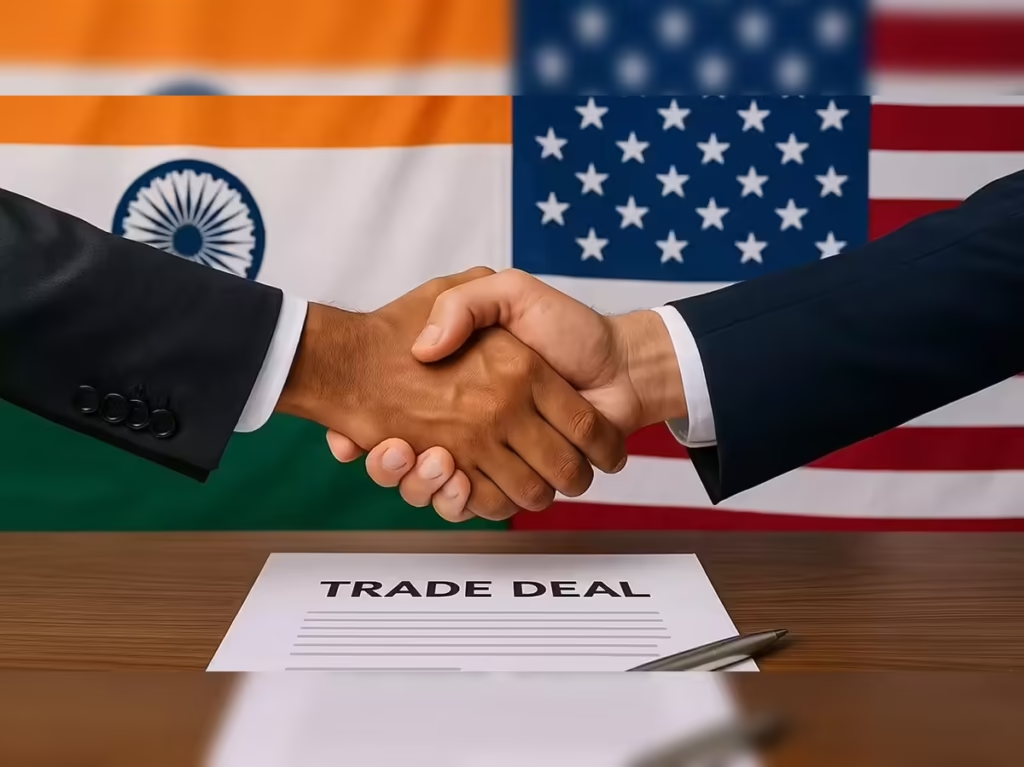
India and the United States have announced a significant interim trade deal aimed at easing tariff tensions and strengthening bilateral economic ties. The agreement, revealed on February 6, 2026, reduces U.S. tariffs on Indian goods to 18 percent, effectively rolling back a 25 percent penalty imposed in August 2025 over India’s purchases of Russian crude oil.
The move marks a temporary but meaningful reset in India–U.S. trade relations and sets the stage for negotiations toward a broader, long-term trade agreement.
Key Highlights of the Interim Trade Framework
The deal includes reciprocal concessions and major commercial commitments from both sides:
🔹 U.S. Concessions
- Reduction of tariffs on Indian goods from 25% to 18%
- Partial normalization of trade ties strained over geopolitical concerns
- Signals willingness to engage despite differences over energy sourcing
🔹 India’s Commitments
- Reduction of import duties on key U.S. products, including:
- Soybean oil
- Wine
- Tree nuts
- Select industrial and agricultural goods
- Commitment to purchase $500 billion worth of U.S. products over five years, including:
- Energy supplies
- Aircraft
- Advanced technology and equipment
Russian Oil Issue and U.S. Pressure
One of the central issues behind the earlier tariff penalty was India’s continued imports of Russian oil following global sanctions. The United States had urged India to curb such purchases, citing geopolitical concerns.
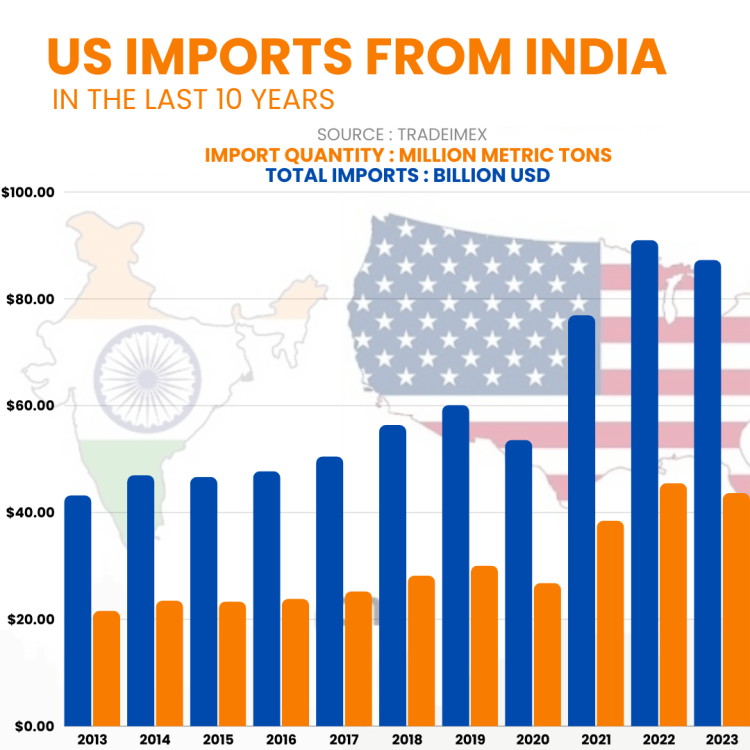
In response, India has gradually diversified its oil imports. According to recent data:
- India’s Russian oil imports declined to 1.16–1.22 million barrels per day in January 2026
- This reduction appears to have eased U.S. concerns, paving the way for the interim agreement
Economic and Strategic Impact
The deal is expected to have mixed implications:
✅ Potential Benefits
- Improved access for Indian exporters to the U.S. market
- Boost to U.S. energy and manufacturing sectors through large-scale Indian purchases
- Strengthening of strategic and economic ties between the two countries
⚠️ Criticism and Concerns
Some trade analysts and critics have described the agreement as asymmetric, arguing that:
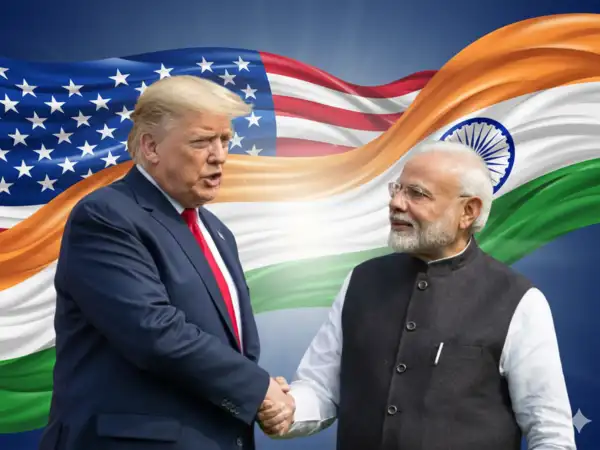
- The deal disproportionately favors Washington
- India’s $500 billion purchase commitment outweighs immediate tariff relief
- Long-term impacts on domestic producers remain uncertain
What Comes Next?
Both governments have emphasized that this is an interim framework, not a final deal. Negotiations are expected to continue toward a comprehensive trade agreement that would address:
- Market access
- Digital trade
- Supply chains
- Energy security
- Technology cooperation
If successful, a full agreement could significantly reshape India–U.S. trade relations in the coming years.
Conclusion
The interim trade deal between India and the United States represents a pragmatic step toward stabilizing economic ties amid global geopolitical pressures. While it offers immediate tariff relief and opens new commercial avenues, debates over fairness and long-term benefits are likely to continue. The coming months will be crucial in determining whether this framework evolves into a balanced and enduring trade partnership.